
Oukali Modern Furniture Cabinet Handle Kitchen Zinc Alloy Chrome Knobs
author: Kyle
2025-07-13
When zinc alloy mimics solid copper handles, the art born from this interplay is not merely a dialogue between materials and technology, but a fusion of traditional craftsmanship and modern design. This artistic form strikes a unique balance between functionality and aesthetics through ingenious transformation of material properties, creative shaping of surface textures, and contemporary translation of cultural symbols.
1. Material Transformation: From Industrial Metal to Artistic Carrier
With its low cost and ease of casting, zinc alloy serves as an ideal substitute for solid copper. Through multi-layer electroplating processes, zinc alloy handles can achieve a texture highly similar to that of solid copper:
- Substrate Treatment: Zinc-copper-rare earth alloys or zinc-aluminum-rare earth alloys are used, shaped via precision investment casting to form complex designs. For instance, zinc alloy castings undergo steps like pre-plating with neutral nickel, copper plating on a pyrophosphate base, and acid bright copper plating to create a metal substrate close to solid copper.
- Antique Coloring: Treatment with a sodium hydroxide alkaline solution containing potassium persulfate forms a bronze-colored oxide layer. Subsequent polishing reveals strip-like patterns, and passivation with organic ester agents transforms the reddish copper hue into a natural brass tone. This process mimics the oxidation traces of copperware over time, endowing the handles with a sense of historical depth.
- Texture Re-creation: The combination of vibratory polishing and chemical passivation creates uneven textures on the zinc alloy surface—convex areas exhibit metallic luster, while concave areas retain dark paint layers, resembling signs of aging. This "distressing" technique turns industrial materials into narrative artistic carriers.
2. The Art of Collision: From Mechanical Processing to Aesthetic Expression
"Collision" here is not merely physical impact, but multi-layered craftsmanship interaction:
-
Texture Shaping Through Mechanical Collision:
- Vibratory Polishing: During polishing, high-speed vibration causes partial 脱落 of the paint layer on the handle surface, creating natural wear effects. The contrast between the metallic texture of convex areas and the dark paint of concave areas enhances the visual tension of antique copper.
- Sandblasting and Etching: High-speed sand particle impact or chemical etching creates micro-rough structures on the zinc alloy surface, enhancing both tactile feel and light-shadow variations. For example, sandblasting can mimic the sand-casting traces on bronze surfaces, while laser engraving precisely replicates traditional patterns.
-
Artistic Intervention of Handcraft:
- Chasing and Hammering: Drawing on traditional metalworking, craftsmen use hammers and chisels to strike fine relief patterns onto the zinc alloy surface. Like the chased tableware from Zhangjiagang Lucky Metal, controlling the force and angle of strikes transforms traditional elements such as dragon patterns into three-dimensional designs.
- Collision of Composite Materials: Such as Topstrong’s ceramic-zinc alloy handles, which combine 温润 ceramics with cold metal. The conflict and complementarity of material textures create an artistic effect balancing rigidity and softness.
3. Design Innovation: From Functional Component to Cultural Symbol
The artistic value of zinc alloy copper-imitating handles lies in the contemporary interpretation of traditional aesthetics:
-
Translation of Cultural Imagery:
- Designers deconstruct and reorganize traditional elements from bronzes and ancient architecture. For example, Wuhan Postal’s cultural and creative refrigerator magnets use zinc alloy electroplating to replicate the contours of the Yellow Crane Tower’s overhanging eaves and brackets, presenting the urban landmark three-dimensionally through a four-layer magnetic structure—turning handles into tangible carriers of cultural memory.
- Antique handle designs like lion-heads and beast-heads (such as lion-head handles on Alibaba’s platform) combine the majesty of traditional door knockers with modern craftsmanship via precision zinc alloy casting, becoming focal points in home spaces.
-
Integration of Craft and Art:
- Brands like Hongjingyuan use cutting techniques and layered surface treatments to create textures on handles similar to those of bronzes made via "lost-wax casting," endowing industrial products with both handcrafted warmth and mechanical precision.
- 3D texture technologies (e.g., laser engraving, anodizing) further expand artistic expression. By controlling laser parameters, for instance, wood or stone textures can be carved onto zinc alloy surfaces, achieving "the naturalization of metal."
4. Industry Trends: From Pragmatism to Artistic Consumption
The artistic trend of zinc alloy copper-imitating handles reflects the collaborative evolution of material technology and aesthetic demands:
-
Technological Innovation:
- Application of environmentally friendly processes (e.g., water-based electroplating, cyanide-free copper plating) reduces pollution from traditional techniques while enhancing texture finesse.
- Introduction of intelligent production processes (e.g., automated polishing, AI texture design) enables mass production alongside personalized customization.
-
Market Positioning:
- In the high-end market, zinc alloy handles, through composite designs with ceramics or leather (such as ice-crackle ceramic handles), symbolize the artisticization of home decor.
- Expansion into cultural and creative fields (e.g., school anniversary bookmarks, city-themed refrigerator magnets) transforms handles from functional accessories into cultural communication media.
Conclusion
The art of zinc alloy mimicking solid copper handles is essentially a triple collision of materials, craftsmanship, and culture. Through precision surface treatment technologies, industrial metals acquire a sense of historical depth; through the dual collision of machinery and handcraft, cold materials are endowed with the warmth of art; and in the integration of tradition and modernity, handles cease to be mere functional components, becoming artworks carrying cultural memories and aesthetic ideals. This collision not only reshapes the possibilities of metal craftsmanship but also reminds us: the boundaries of artistic creation often lie at the intersection of different fields.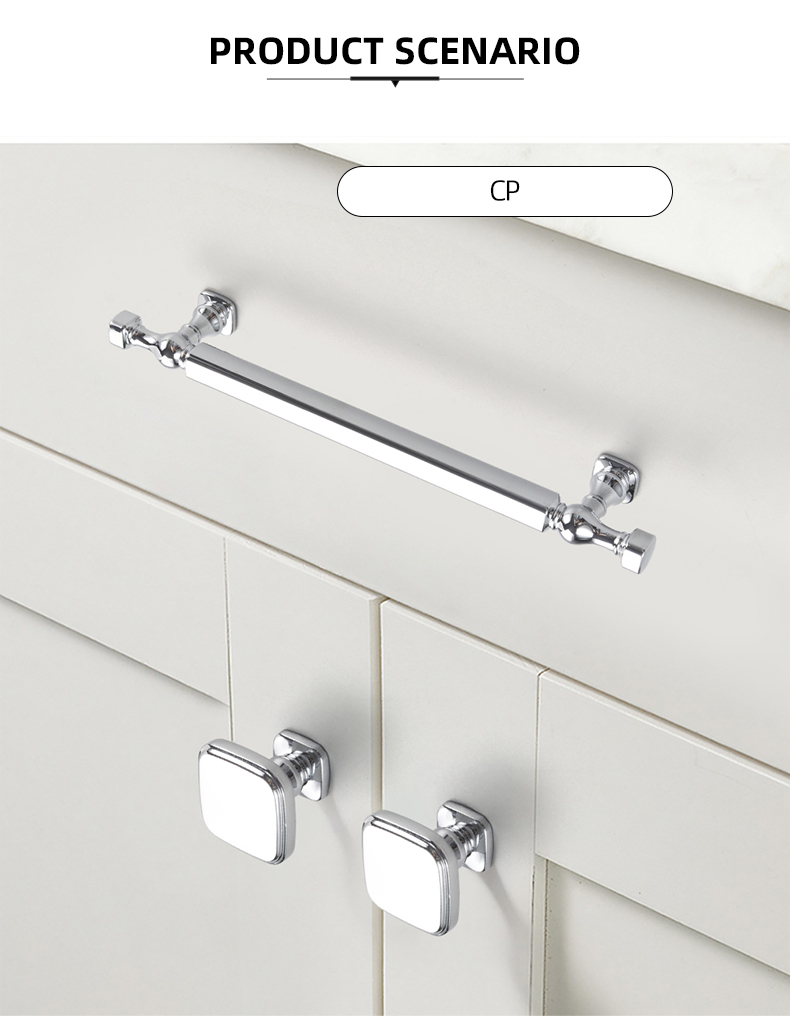
The Texture Code Hidden in the Details: the Healing Design of the Aluminum Alloy Single-hole Handle
Classic Aluminum Furniture Handles: the Big Thing in Small Things
Related Article

zinc alloy door lock
Zinc Alloy Door Handles: Infusing Home Spaces with Both Elegance and Practicality
Aluminum Alloy Handle
Aluminum Alloy Handles: Injecting a Sense of Light Luxury and Practical Aesthetics into European Home Spaces